
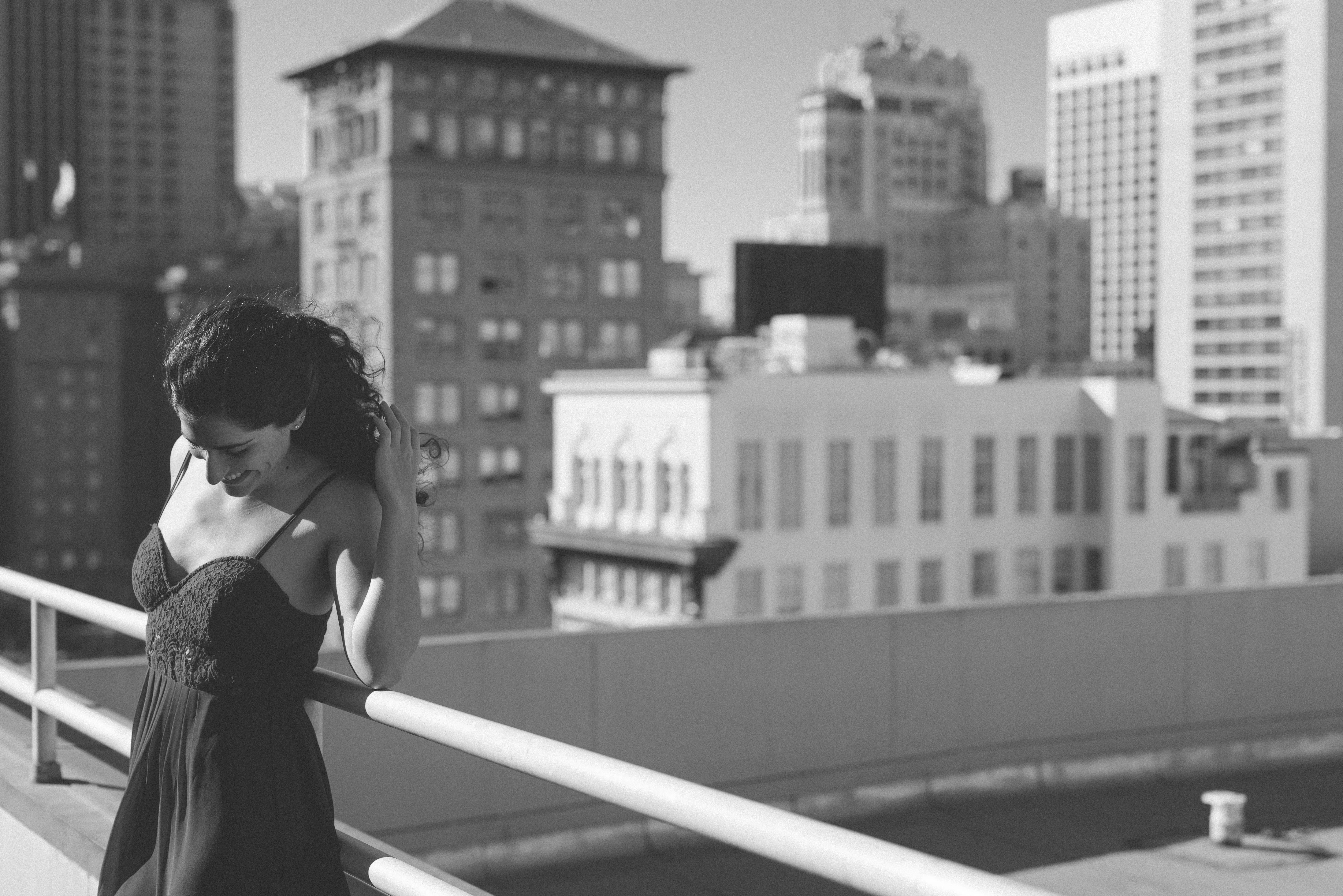
A woman sat down across from me last month and said she'd booked three headshot sessions in the past five years and still didn't have a photo of herself she actually liked. She wasn't asking what was wrong with the photographers. She was asking what was wrong with her.
I told her what I tell most women in that position: nothing is wrong with you. You just kept hiring the wrong format for what you actually wanted.
Headshots and portraits get used interchangeably in casual conversation. That's fine until you're paying for one and realizing afterward it didn't give you what you needed. The two are not the same product. They aren't even really the same job. If you're at a point in your career where the photo of you on LinkedIn, your speaker bio, your firm's website, or a book jacket is going to be looked at by people who matter, the distinction matters more than most photographers will admit.
What a headshot is actually for
A headshot is a working tool. Its job is identification: this is the person, recognizable, professional, trustworthy. The frame is tight. The lighting is consistent. The posing is functional. You go in, you get a clean image of your face and shoulders, you use it for the next eighteen months until your hair changes or you take a new role.
Headshots are short. Forty-five minutes if you don't have hair and makeup, an hour and a half if you do. There's usually one outfit, one background, and a small set of expressions that read as polished. The photographer's job is to make you look like a credible, current version of yourself.
There's nothing diminishing about that. A good headshot is a real piece of professional infrastructure. When I do them, I take them seriously. But a headshot is not the place where the camera does the deeper work.
What a portrait session is actually for
A portrait session is a longer conversation. The frame opens up. You're not just a face anymore. You're a body in a room, hands doing something, weight shifting through your hips, light reaching across your jaw. The photographer is composing you the way someone would compose a painting.
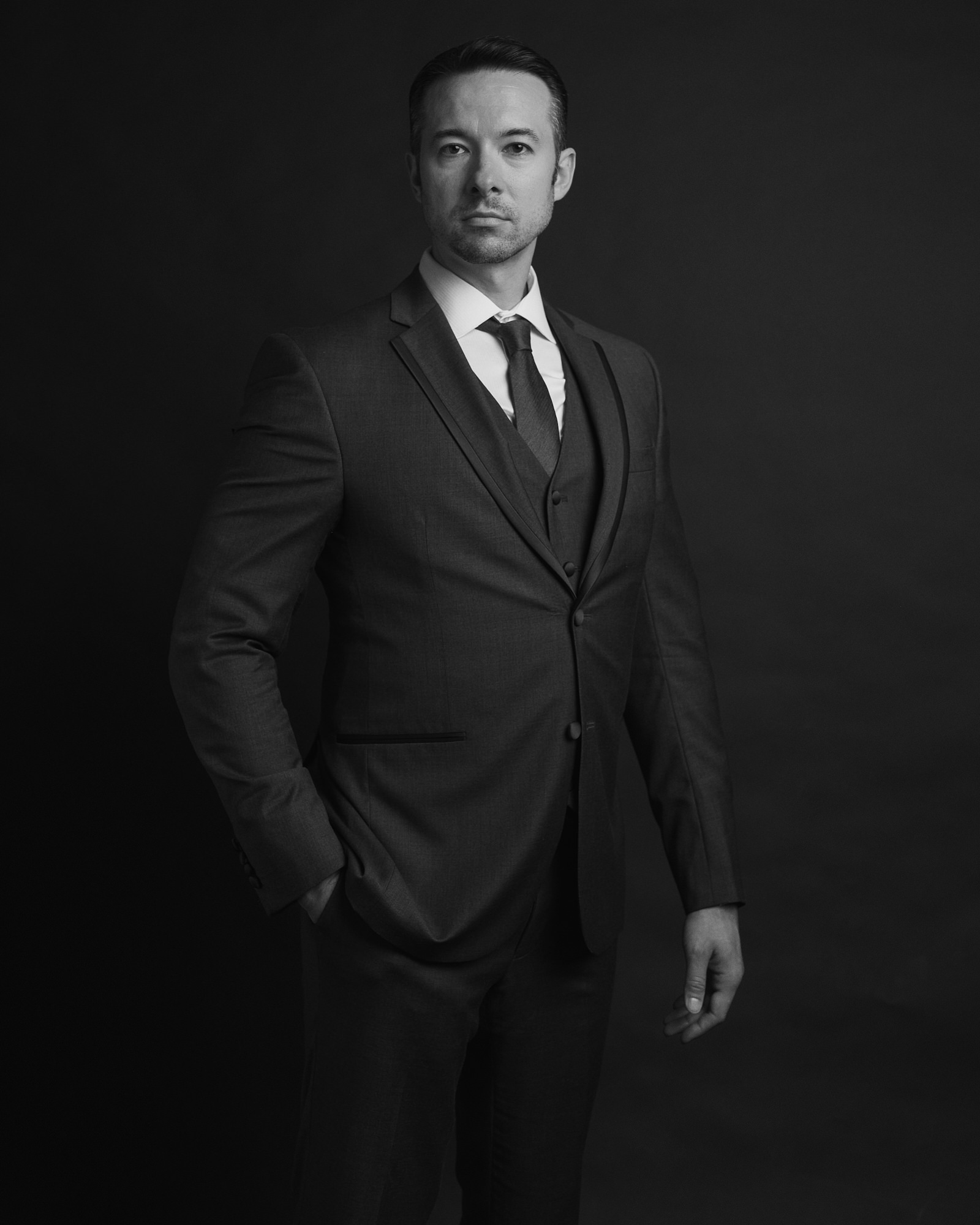
The hair and makeup is real, not just a touch-up. The wardrobe is planned. There's a styling conversation before the session that takes the pressure off you having to figure out what to bring. The session itself generally runs three to four hours including hair and makeup, because there's a warm-up arc that has to happen before the best frames show up.
The photos that come out of a portrait session don't look like LinkedIn photos. They look like the kind of image a magazine would run with a profile of you. They work on a website hero, an interior wall, a press kit, a book jacket. They tell someone who's never met you what kind of person you are, beyond just what you look like.
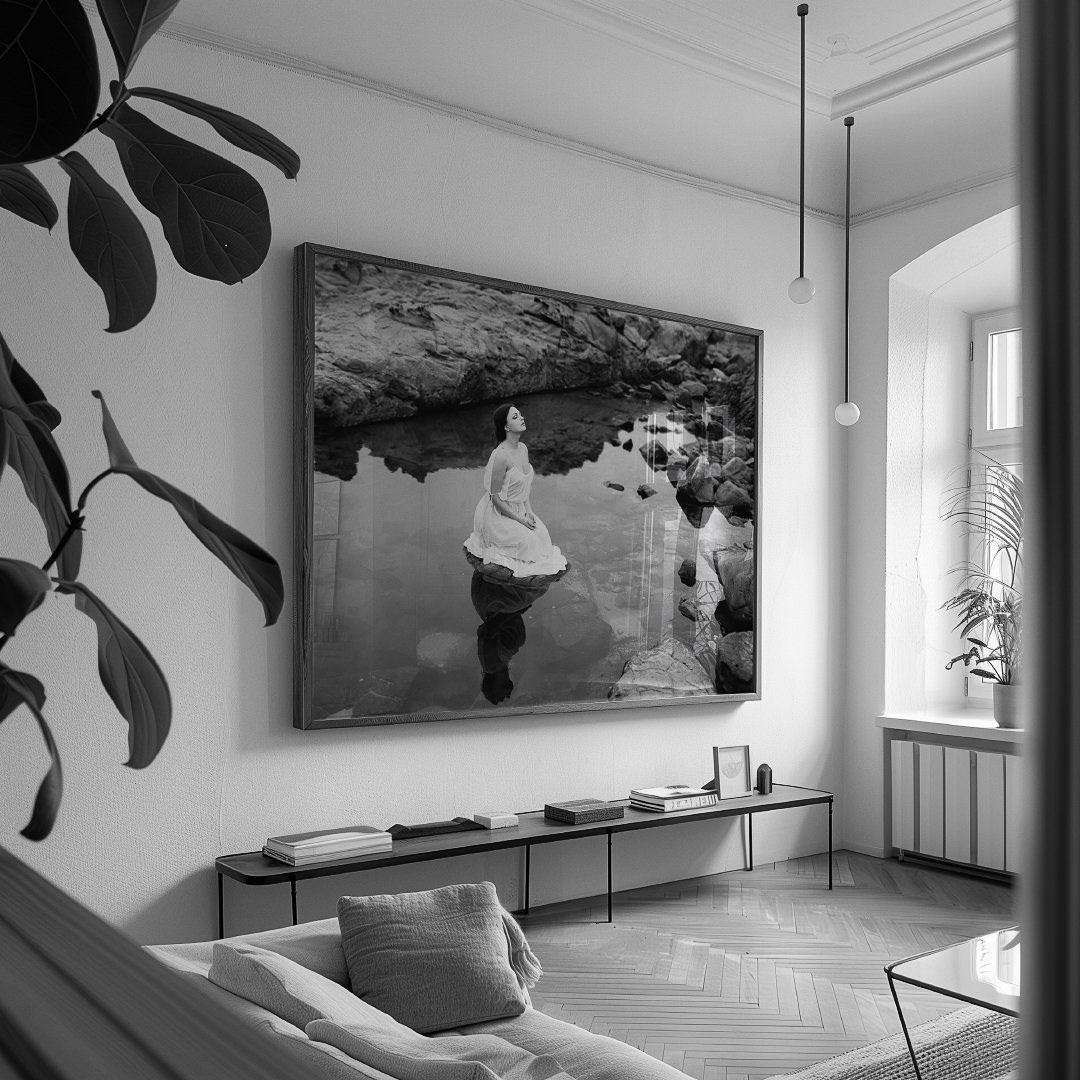
A portrait captures who you are, really.
Why the distinction matters more around forty-five than it did at thirty
Most of the women I sit down with have been in their careers long enough that they're past needing identification photos. They have those. They've had those for fifteen years. The reason they're in my studio is because something has shifted, and the photo they're using now doesn't reflect who they are in the room anymore.
Sometimes it's a promotion or a new firm. Sometimes it's a board appointment, a book deal, a speaking circuit. Sometimes it's quieter than that. They're tired of opening their laptop and seeing a stiff version of themselves they didn't relate to even when it was taken.
A portrait session can do something a headshot can't. It can give you back an image of yourself that matches the version of you who walks into a room now, instead of the version that was trying to look acceptable in someone's hallway studio in 2021.
There's also a practical layer. The photo of you that's going to follow your career for the next chapter probably shouldn't have been made in under an hour. The investment is less about the studio time and more about getting an image that holds up in every context you'll need to use it, from a glossy print on the wall of a board room to a small thumbnail next to your name in a panel announcement.
How to know which one you actually need
If your photo is going to be a thumbnail next to your name on a corporate directory and that's mostly it, you need a headshot. Get a good one. Don't overspend.
If your photo is going to be the first impression people get of you when they're deciding whether to hire you, partner with you, write about you, or follow your career into the next decade, you need a portrait session. The format has to match the use.
The shorthand I give people:
A headshot makes sure they recognize you. A portrait makes sure they remember you.
If you want to talk about what a portrait session would look like for you, get in touch.